Creative Brief Template for Paid Instagram Creators
Clear goals and creator fit determine campaign success before filming starts.

US brands spent $2.21 billion on Instagram influencer marketing in 2024, according to eMarketer, more than TikTok and YouTube combined. Campaigns still underdeliver often enough that "influencer marketing didn't work" has become a stock complaint in marketing meetings, and the blame usually lands on the creator. Most of the gap between spend and results traces back to a document that never existed in usable form, or existed and buried the one instruction that mattered under six paragraphs of brand philosophy. This piece walks through what a creator brief needs to contain, section by section, and names the sections brands skip because they feel optional and aren't.
What a creative brief actually is — and what it is not
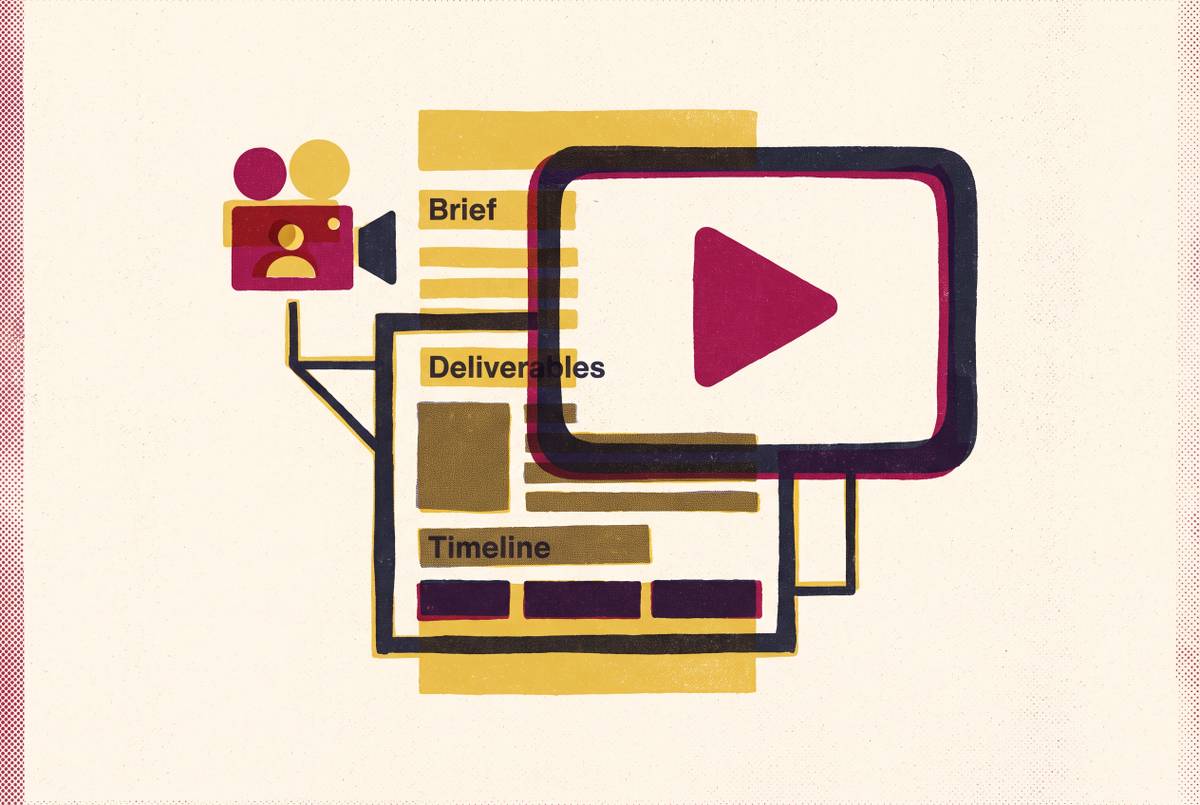
A creative brief is a set of instructions sent to a creator before the work starts. Its only job is to give that creator enough to make a strong post without emailing the brand five times to ask what they meant. It carries no legal weight and lists no dimensions or ingredients; treating it as anything more formal than a working reference is how briefs turn into documents nobody reads past page one.
It has to live somewhere durable, which rules out more briefings than brands would like to admit. A written doc, a slide deck, a shared page: anything that outlasts the phone call where someone said "just make it feel fun." Verbal-only briefings leave no shared reference point, so when the content comes back and someone on the brand side says "that's not what we asked for," nobody can point to what was actually asked for. Everyone argues from memory, and memory is a poor record of what was actually decided in the room.
Length feels like thoroughness, but past a certain point it becomes avoidance dressed up as diligence. One page covers most single-creator campaigns. Two pages is close to the ceiling for a complex, multi-creator launch with several deliverables. Past that point, nobody reads page two, the content comes back off-brief anyway, and the reshoot costs more than the hour it would have taken to cut the brief down in the first place.
The thin brief fails for the opposite reason, though it gets dressed up as trust rather than laziness. Handing a creator "creative freedom" with no direction usually means the brand skipped the work of deciding what it wanted, then called the gap a compliment. Skincare brands know how this ends: a Reel shot in someone's cluttered bathroom under bad overhead lighting, not because the creator lacks taste, but because nobody told them what "on brand" meant in practice. Between the two failure modes, the thin brief is worse, and this is worth saying plainly because most brands assume the opposite. A bloated brief at least contains the right instruction somewhere, buried on page four; a thin one never wrote it down at all, so there's nothing to dig for.
A brief gets used more than once, too. It gets shared at outreach, finalized before contracts are signed, and pulled back out during content review to check the deliverable against what was actually asked for. Platforms built for the full content lifecycle treat that kind of reuse as a structural assumption rather than an afterthought. Creators can tell the difference between a brand that knows what it wants and one that's fishing, and they price accordingly. So can the algorithm, in its own indirect way: content that misses the brief tends to also miss the tone that made the creator's audience follow them in the first place.
Who brands are briefing: the creator tier landscape on Instagram in 2025
Most influencer budgets, per survey data, go toward micro-influencers rather than celebrity accounts, and the engagement numbers explain why: micro-influencers on Instagram post average engagement rates several times higher than mega-influencers with millions of followers. Reach without action does little for a brand's actual goals. A brand chasing follower count over engagement rate is optimizing for the wrong metric, and it is the single most common misread of what this spending is even supposed to buy.
That changes what belongs in the brief. Sending the identical document to a nano-influencer and a macro-influencer wastes the whole exercise. A creator with a few thousand followers, built one post at a time with real back-and-forth in the comments, needs more brand context than a bigger name would; the relationship is newer, and that audience notices when something feels off. A macro-influencer with a bigger, more casual following needs tighter creative guardrails instead, because a looser relationship with the brand leaves more room to freelance a message that drifts from what was actually wanted.
Age plays into this too. Sprout Social's 2025 Influencer Marketing Report found Gen X and Millennial users engage with Instagram content at roughly double the rate of Boomers on the platform. Chasing that Gen X or Millennial audience means saying so plainly in the brief, since it changes tone, pacing, and the kind of humor a creator reaches for without being told twice.
Brand overview: giving creators the context they need to sound genuine
Pasting the "About Us" page into the brief is the laziest version of this section, and every creator who's been sent one can tell within a sentence. It reads like it was written for an investor deck, not a person about to talk into a camera. A real brand overview is written for this creator and this campaign: a short version of how the company started, what it stands for in plain words rather than mission-statement language, and a named contact, not a general inbox that answers in three days, for questions that come up mid-shoot.
Include the brand's own Instagram handles so tagging happens correctly, and so the creator can go look at how the brand actually talks online before filming starts. Then narrow to the specific products relevant to this campaign, leaving the rest of the catalog aside; nobody needs the full product line when the shoot is about one serum.
A creator who understands what a brand is trying to be sounds like they believe it, and audiences catch the difference between a creator who's convinced and one reading off a card. This is the whole mechanism the brief is built to protect. A creator who has to look up the brand halfway through starts the job behind; one who feels like a collaborator from paragraph one hands back better footage, and that difference shows up in the finished cut, not just in how the meeting felt.
Campaign objective and KPIs: what success looks like before anyone picks up a camera
Decide the goal before picking the creator, not after. Brand awareness, engagement, traffic, and conversions each call for a different creator archetype and a different kind of content. Getting the order backwards is the single most common reason a campaign spends the whole budget and can't say what it bought.
Context changes the content, too. Is this tied to a product launch, a seasonal sale, a limited window? The "why now" shapes urgency in the caption and tone across the whole piece. Skip this step and the brief drifts toward vanity numbers: impressions and views that read well in a slide deck and connect to nothing the business actually tracks.
Name the primary metric outright: link clicks, promo code redemptions, saves, whatever it actually is. Add a secondary metric if a real one exists, and define what "good" means for this campaign specifically, rather than borrowing a platform-wide average that has nothing to do with this brand's audience size or category. A creator building toward link clicks writes a clear call to action; a creator optimizing for shares builds something more entertaining and less pointed. Those are two different videos, and the brief decides which one gets made, not the creator's gut instinct on shoot day.
Target audience: describing the person the content needs to reach, not just demographics
Age, gender, income, location: necessary, but they only tell a creator who to reach, never how to talk to them. Briefs that stop at demographics hand creators an incomplete picture and call it done, and this is where most target-audience sections quietly fail without anyone noticing until the content underperforms.
Push further. What does this audience worry about? What are they skeptical of? A workable version reads like this: she's 32, has cycled through three skincare routines that didn't stick, and is wary of "transformative" claims; she responds to dry humor and an honest before-and-after, not a golden-hour lifestyle shot. That's a person a creator can write for. "Women 25 to 40, urban, mid-income" leaves too much unanswered, and a creator handed only that will default to whatever's already worked for someone else's brand.
Name what the audience actively dislikes, not only what draws them in. That single line can steer a creator away from a trope, an overly polished testimonial format, say, that this group has already learned to scroll past. And if the target skews Gen X or Millennial, note what tends to land with that group on Instagram specifically; the same audience behaves differently on TikTok, and a brief that assumes platform behavior transfers is a brief that hasn't done its homework.
Deliverables and content specifications: exactly what the creator is being hired to make
Name the format outright: Reel, static feed post, carousel, Story, or some combination, since each carries different production demands. Paying a creator for a Reel when the brief implied a feed post creates scope confusion nobody meant to create. State the quantity. Flag clearly whether any piece will also run as a paid ad, since that changes what "good enough" production quality actually means.
The technical specs are not trivia to skim past, and skipping them is the fastest way to a reshoot. For Reels, the standard is 1080 by 1920 pixels at a 9:16 ratio, minimum 1080p at 30 frames per second, a maximum runtime of 3 minutes, though 5 to 25 seconds is where most of the best-performing content actually lands, and a file size ceiling of 650MB for anything under 10 minutes. Portrait feed posts do best at 1080 by 1350, a 4:5 ratio built for how Instagram crops the grid.
Then there's the safe zone, and this is the one almost every first-time creator gets wrong: keep the top 14% (roughly 250 pixels) and the bottom 20% (about 340 pixels) clear of text or logos, since that's exactly where the profile icon and caption overlay sit. A product callout hidden behind Instagram's own UI never gets seen by anyone, which defeats the entire point of shooting it.
Say whether the creator can add their own music, and if so, link a licensed or royalty-free library so a copyright flag doesn't delay the post two days while everyone scrambles to swap the track. Set the expectation that the product appears on screen within the first 5 to 10 seconds; attention drops fast, and a product that shows up at second 40 has little chance of registering. Close with caption mechanics: required hashtags, the brand tag, any link or promo code that has to appear.
Key messages: the three things the audience should walk away knowing
Three is the ceiling, full stop, and those three should feel like one idea with supporting evidence, not three separate thoughts stapled together. The single most important message is the one thing the audience remembers after they've scrolled past. That's the anchor; everything else is scaffolding, and scaffolding that outweighs the anchor is how a 30-second Reel ends up saying nothing memorable at all.
Add up to two supporting messages, specific claims or use cases folded in where they feel natural rather than recited like a disclaimer. State what the creator has to communicate, and leave how they say it up to them, because scripting the exact sentence produces a delivery that sounds scripted, and audiences discount that on contact, every time. Claim restrictions belong here too, especially in regulated categories like health, finance, or food, where the wrong word choice carries compliance risk, not just a tone problem, and the dos and don'ts section below is where that gets enforced. A structure that tends to work: lead with the benefit, mention the proof point if it fits, close with the call to action.
Brand guidelines and dos and don'ts: the guardrails that prevent costly reshoots
Give the creator three to five adjectives that describe how the brand actually sounds: playful, premium, conversational, whatever fits, and name the tone that's off-limits just as clearly. "Don't sound corporate" hands a creator more usable information than most brand-voice philosophy decks ever manage.
List mandatory elements: specific tags, hashtags, platform features like Instagram's collab post tool that need setting up correctly. Then get specific with the don'ts, because vague guardrails produce vague content every time, no exceptions. "Stay on brand" tells a creator little that's actionable, while "don't compare us to other brands by name," "say it helps with breakouts, not that it treats acne," and "no alcohol visible in frame" tell a creator exactly where the line sits. A creator who knows where the line is rarely crosses it by accident; one who's guessing crosses it constantly, and neither side finds out until the footage is already shot.
The payoff shows up downstream, in revision cycles. A brand that documents its dos and don'ts clearly spends far less time sending a video back with requested changes. This is also where any off-limits competitor names, products, or topics need to be spelled out, since that's a detail no creator, however sharp, can guess correctly on the first try.
Visual direction and mood board: showing the creator what "right" looks like
A visual reference does more work here than a written description ever could. Pull examples of brand content and past creator content that actually performed, and let those set the bar instead of reaching for adjectives to do the job. A Pinterest board or a Canva collection does this cheaply: color palette, lighting, setting, editing style, all in one place a creator scrolls through in two minutes flat.
Spell out the specifics anyway: which colors to use or avoid, whether the shot reads as natural daylight or studio setup, whether the setting is a kitchen, a gym, or outdoors. If on-screen text is part of the deliverable, note the font weight and where it sits relative to the safe zones already covered above.
This is the section standing between a premium skincare brand and a cluttered, fluorescent-lit bathroom shot; without it set beforehand, the creator's own taste rarely gets the chance to matter. Run a campaign across several creators at once, and this is also the section that keeps the output reading as one campaign instead of several unrelated posts that happen to mention the same product.
Usage rights and whitelisting: the section most brands leave out until it's too late
Usage rights spell out what the brand can do with the content once it posts: repost on owned channels, run as a paid ad, hand off to a retail partner, whatever the plan actually is. Whitelisting, meaning running paid ads directly through the creator's own account, has to be negotiated and put in writing before content gets made. Bring it up after the content is already agreed on, and it almost always triggers a fee renegotiation, because the creator now knows the brand wants something extra, and wanting something extra is leverage the creator didn't have a day earlier.
That's the entire reason this section exists in the first place: once content is delivered, the leverage flips. The creator can decline whitelisting outright or ask for more money, and the brand has already spent the production budget with no fallback to lean on. Reserving the option in the brief, even one that never gets exercised, costs far less than asking for it after the fact ever will. Brands that treat this as a footnote end up paying twice for the same asset, once for production and once for the leverage they gave away by not asking sooner.
Spell out duration and territory too. A 30-day license for paid social carries a different price than an open-ended right to use the content in evergreen brand marketing forever, and brands that don't distinguish between the two end up either overpaying for a license they didn't need or underpaying for one they did. If exclusivity matters, meaning the creator can't work with a competitor for some stretch of time, that belongs here as well. Sprout Social's research found a meaningful share of agencies and brands now put a large share of their marketing budget into influencer partnerships; at that level of spend, an undefined usage clause is real money sitting in an unsigned gap.
FTC disclosure requirements: what the brief must tell creators about compliance
The FTC requires paid partnerships be disclosed clearly, in a way the audience can't miss, never buried under "see more" or hidden inside a string of ten hashtags where #ad disappears into the crowd. The brief should state exactly what disclosure language the brand wants: #ad, #sponsored, or Instagram's built-in Paid Partnership label. Picking one and naming it in the brief takes a sentence; leaving it to the creator's judgment risks confusion the brand ends up having to explain later, usually to the FTC and not to a happy customer.
Placement carries as much weight as wording. On a Reel, the disclosure needs to sit on screen or right at the top of the caption, somewhere a viewer sees before they've decided how they feel about the content, not tacked onto the end after the sale's already happened in their head.
Both sides carry exposure here, which is exactly why this can't be left to the creator's judgment alone. The FTC can act against the brand and the creator, so a documented brief that clearly instructed proper disclosure also protects the brand's position if a creator drops the ball later, because it shows the instruction was actually given. Instagram's own Paid Partnership label, used correctly through the platform's collab settings, satisfies the requirement on its own, and skipping it anyway, which plenty of brands still do, is a risk nobody is actually being compensated for taking.
Compensation and payment terms: what transparent briefs include that vague ones skip
Vague payment terms are where good creator relationships break down, slowly, over email threads that open polite and end tense three weeks later. State the compensation type plainly: flat fee, commission structure, a percentage tied to a promo code, or some blend of the two. Each version changes how a creator plans the content and how much creative risk they're willing to take on for it, and a creator who doesn't know which model applies will hedge toward the safest, blandest version of the deliverable.
Payment timing belongs here too: on delivery, on posting, or some net-30 schedule after invoice, along with what happens if a deliverable needs revision. Does revision delay payment, or is it already built into the original fee? A creator who doesn't know the answer going in starts wondering, halfway through editing, whether the extra hour is even worth putting in, and that hesitation shows up in the final cut whether anyone admits it or not.
This gives a freelancer the same clarity an employee gets from an offer letter, so the only thing left to negotiate mid-project is the creative work itself, not the money underneath it.