Video Creator Brief Structure for YouTube Integrations
YouTube audiences research decisions, not scroll feeds—briefs need to honor that difference.
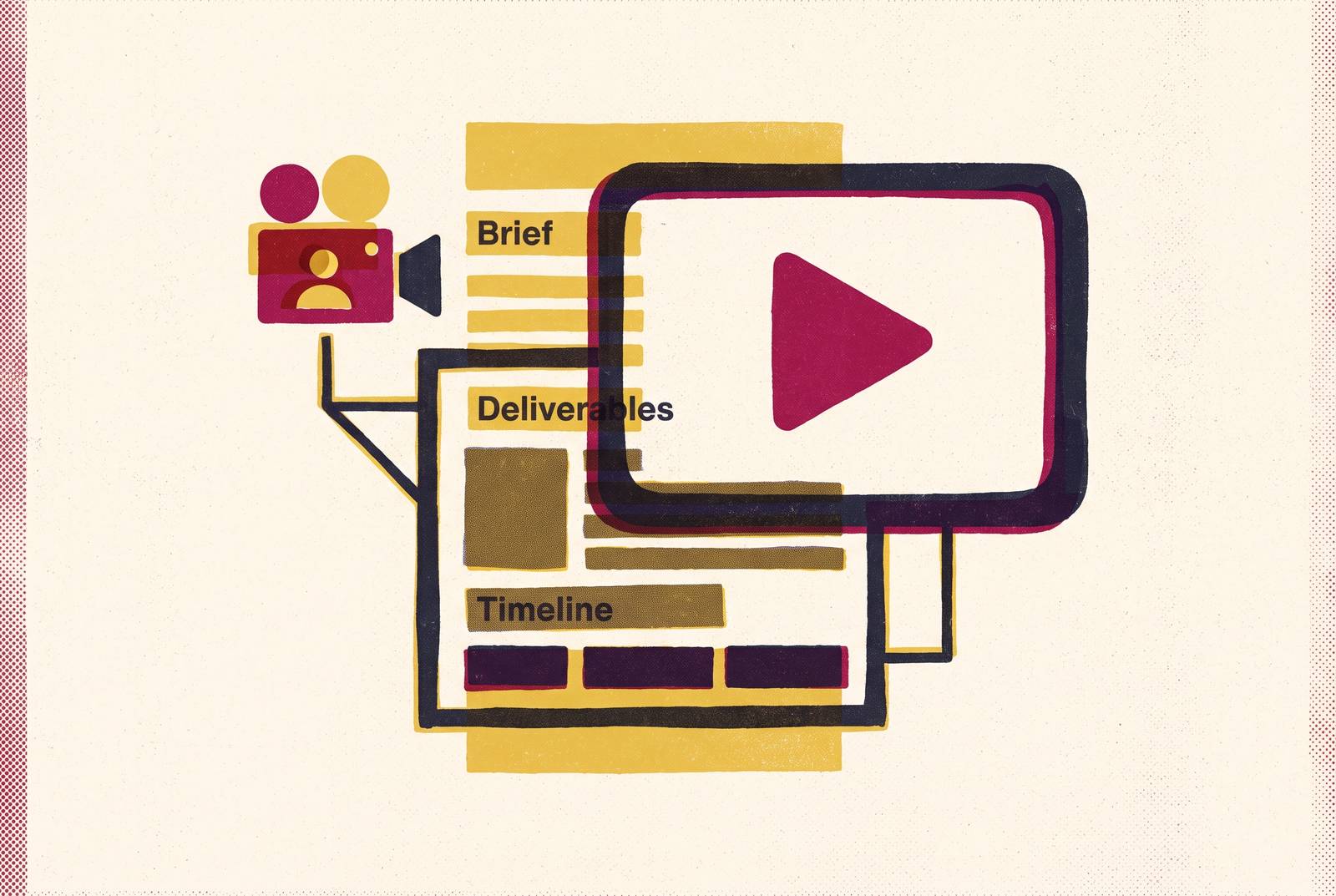
YouTube now eats up more living-room streaming time in one major streaming market. than Netflix does, per Nielsen, and most brand teams are still handing creators briefs built for Instagram Stories circa 2018. That mismatch is the single most fixable problem in influencer marketing today, well ahead of budget or creator selection or how much media spend sits behind the post. A brief is the one variable a brand fully controls, and most teams treat it like paperwork instead of the thing that decides whether a mid-six-figure sponsorship turns into an asset that keeps paying out or a one-off nobody wants to repeat. Get the brief wrong and no amount of money behind it fixes what the creator was never told.
What makes YouTube's format different from every other channel the brief has to serve
Someone landing on a YouTube video is usually there to decide something. They're comparing two cameras, figuring out which mattress won't wreck their back, trying to work out if a supplement is snake oil or worth the money. That's a research posture, not a scroll posture, and it changes what a brand mention is allowed to do inside the video.
Trust on this platform builds slowly, across months and dozens of uploads, not inside a single 30-second read. What a brand actually rents when it books an integration is the relationship between the creator and the audience, built one honest episode at a time. Damage that relationship with a clumsy ad read, and the cost runs past one bad video: it's a slower bleed on every future integration that creator runs, for any brand.
Long-form video puts the viewer in a different headspace than a feed does. Someone forty-five minutes into a video has made a kind of commitment a scroller never makes, so an integration that feels grafted onto the experience reads as a violation of it, not a value-add. YouTube also behaves like a library and a search engine at once. A video published today keeps getting indexed, recommended, and found again next year, which gives an integration a shelf life a short-form post never gets close to.
There's a newer wrinkle worth taking seriously, too. YouTube has emerged as a significant source feeding AI-generated answers, so a brand mention spoken inside a creator's video can end up working as a citation signal well past the platform itself. That's the mechanism a brief needs to be built around: not message compliance, but real fit inside a creator's existing editorial world.
The framing question every brief should answer before any section is written
Most briefs start with the wrong question: what do we need this creator to say about our product? That treats the creator like a mouthpiece, and audiences catch it in the first ten seconds. It's the single most common mistake in this process, and it's the reason most sponsorships underperform the media weight put behind them.
The right question runs the other direction: what story is this creator already telling, and where does the brand fit inside it? Answering that means the brand team watches the creator's actual back catalog, not a highlight reel a talent agency sent over, and finds the seam where the product belongs without being forced into it.
A brief works better as the opening move in a creative conversation than as a spec sheet fired off and forgotten. Guardrails, not scripts, is the operating principle: define what the brand legally and strategically cannot say, then step back on how the message gets delivered. Brands that treat creators as ad inventory instead of creative partners end up with integrations audiences flag as fake on sight, and that's not a matter of taste. Audiences broadly trust creators more when sponsorships are disclosed clearly, and that trust depends on disclosure feeling genuine rather than like a legal formality.
Section one of the brief: campaign context the creator actually needs
Business objective comes first, and it needs to be specific. "Drive sales" isn't an objective, it's a wish. Awareness, consideration, conversion, and retention each call for a different integration, and a creator who doesn't know which one they're building toward will guess wrong, usually toward a hard sell that doesn't fit their channel.
Audience description needs more than age brackets and income tiers. What's this audience trying to solve? What objection are they carrying into the video? Why would they be watching this creator, specifically, rather than anyone else, when they hit play?
Portfolio context matters too. Is this integration one test among ten-plus verticals a brand is running to find a breakout partnership? Or is it a fourth or fifth run with a creator who's already proven out? Those are two different briefs, and treating them the same is how a brand burns a working relationship on a first-date pitch.
Content type needs resolving internally before a single word goes to the creator: discovery, validation, or action. Creator size should shape the ask, too. Creator size should shape the ask, and the integration objective should be matched accordingly, with the call to action calibrated to fit the creator's reach and audience relationship.
Production specs, compliance language, and talking points don't belong in this section. Front-loading them signals distrust before the creative conversation even starts.
Section two of the brief: brand guardrails that protect without scripting
Messaging pillars belong here: two or three things the brand actually stands for, written as values or proof points rather than sentences meant to be read verbatim on camera.
Claims restrictions matter most in regulated categories, health, finance, supplements, and this section should get legal review before it ever reaches a creator's inbox. Brand voice guidance works best as description ("direct, no corporate polish") rather than a script the creator is expected to mimic. Competitor restrictions should be stated plainly, no lengthy justification required.
Exact wording, the sequence of product mentions, specific jokes or transitions: none of that belongs here. Those are the creator's job, not the brand's, and a brief that tries to own them usually undermines the authenticity the platform depends on.
The brief should also draw a clear line between brand-owned assets (product shots, approved footage, logos) and what the creator builds from scratch. A narrow pre-publication review right, limited strictly to checking that the brief's mandatory requirements got met, protects against compliance failures without crossing into the kind of control that undermines the creator's editorial independence. That's a structural decision baked into the brief, not a legal afterthought bolted on later.
Section three of the brief: compliance and disclosure requirements
The mechanics are specific and non-negotiable. The creator needs "Paid promotion by [Brand]" in the video description and needs to flag the video with YouTube's built-in paid promotion disclosure tool. The FTC itself requires the disclosure to show up clearly inside the video, not buried in a description box or appended where viewers are unlikely to see it, so the brief should state exactly where in the runtime that disclosure lands.
Newer guidance complicates things further. Recent FTC guidance requires disclosure any time AI generates or substantially alters part of an integration, whether that's the script, the voiceover, or the visuals, because that fact is material to how an audience judges the endorsement. The EU AI Act, which came into full effect in 2025, adds a parallel requirement: AI-generated content that could pass for human-made needs a label, relevant for any brand distributing into those markets.
The stakes are real money. FTC violations can run tens of thousands of dollars per instance, on top of platform penalties like reduced reach and account restriction, on top of the damage of a terminated partnership. This isn't a slow-moving regulatory backdrop. Enforcement against influencers and brands has picked up sharply in the last two years, and it keeps moving.
A quarterly legal review keeps the compliance section current instead of treating it as a static paragraph pasted into every brief. Exclusivity terms and media reuse rights belong here too: does the brand get to run the integration as paid media, cut it into ads, repurpose the clips? Settle that before the shoot, not after.
Section four of the brief: the integration itself, format, length, and placement guidance
Placement carries real tradeoffs. Each placement position carries real tradeoffs in viewer attention and commitment, shaped by where the integration falls relative to the viewer's engagement with the content. End-card placement reaches only the portion of the audience that remained through the full video.
Length should track the objective, not a fixed rule. Awareness integrations can run short; conversion integrations usually need more runway for product explanation, proof points, and a clear CTA. Give a range, not a rigid number.
Format needs an explicit choice, not a vague gesture toward "creative freedom": testimonial, demo, narrative integration, unboxing, before-and-after, opinion-led review, challenge format. Each produces a different audience reaction and fits different product categories differently. Picking one is the brand's job, not something to leave open and hope the creator guesses right.
If the brand wants a Shorts cutdown from the same shoot, that has to be in the brief up front, since it changes production planning and where the piece sits on the creator's calendar. The same goes for shoppable video and product tags: coordinating with YouTube's shopping tools needs to be addressed before the shoot, not as a request tacked on after it wraps.
Exact wording, visual style, camera setup, edit rhythm: keep those out. Specify them and the integration comes out stiff, and audiences notice stiff immediately.
Section five of the brief: the call to action and measurement parameters
The CTA has to match where the integration sits in the funnel. A discount code or a direct affiliate link fits a mid or micro creator working toward conversion. A macro creator building pipeline is better served by a softer ask: search the brand, check out a resource, something that builds consideration rather than demanding an immediate transaction.
Vague CTAs waste the integration. "Follow us" or "link in description" with no context asks for effort without naming the reward, and viewers skip past both instantly.
Tracking has to get built before the shoot, not bolted on after: a unique promo code per creator, UTM parameters, a dedicated affiliate link. Handing these over after the video's already live is too late to fix anything.
Attribution needs a longer runway than most internal stakeholders expect. A meaningful share of views and clicks land more than 30 days after a video goes live, so the measurement section of the brief should set that window as the expectation before launch, not explain it away after an early report reads worse than it actually is.
Early integrations with a new creator shouldn't get judged on single-video conversion rate. Trust compounds with repetition, and the measurement framework needs to reflect that instead of treating video one like it should perform like video six. Include CTR and CVR benchmarks by tier and vertical, with the explicit understanding that those numbers climb as the relationship matures. The measurement section should also track search lift and consideration, not conversion alone, since conversion is the last thing to move and the first thing stakeholders ask about.
How the brief changes when the same creator is briefed multiple times
Repetition pays off in a way that compounds, not just adds up. None of that happens on its own. It takes briefs that deepen the working relationship instead of resetting it from scratch every time.
The first brief with a new creator is exploratory and loaded with guardrails, because neither side knows yet how the other operates. By the third or fourth integration, the creator has internalized the brand's voice, and the brief can carry lighter constraints and hand over more creative room. Treating integration four like integration one is the fastest way to waste a working relationship that's already paying off.
A repeat brief should add actual performance data from prior integrations: what drove clicks, what the audience responded to, what the CTA converted at, so the creator can iterate off real signal instead of guessing again. It should drop what the creator has already absorbed: compliance blocks, format instructions they've proven they can handle without hand-holding, brand voice explanations that stopped being necessary two integrations ago.
The portfolio logic still applies at scale, too. Testing across a wide set of verticals raises the odds of finding a real partnership, which means the brief format needs enough consistency across the portfolio for lessons to transfer, while staying loose enough to bend around each creator's particular format.
Why AI visibility belongs in the brief conversation, not the post-campaign report
YouTube's emergence as a significant source feeding AI-generated answers changes what a creator video is worth after publication. An indexed video works as a distributed, high-authority asset that AI systems can pull from, not just a piece of content sitting in a subscriber's feed.
That gives the brief a second job: shaping visibility signals before the shoot even happens. Keyword-dense, product-aligned video descriptions, a spoken brand mention inside the integration itself, and the creator's own topical authority all feed into whether a brand shows up when someone asks an AI system a related question. Brand mentions correlate with AI visibility far more strongly than backlinks do, which makes a well-placed verbal mention inside a trusted creator's video worth more than a standard ad impression.
Staying visible is the hard part. Most brands that show up in one AI answer don't show up in the next one, and fewer still hold visibility across repeated runs of the same query. A single integration can't fix that alone, which is exactly why the portfolio and repeat-integration strategy described above matters here too. Spreading content across a wide range of channels lifts citation odds well beyond what owned channels alone can manage, and creator integrations spread across multiple YouTube channels work as a distribution strategy for that purpose, not just a reach play.
For brief writers, that means description copy, chapter titles, and the specific phrasing a creator uses when mentioning the brand out loud stop being afterthoughts. They're inputs into a visibility system that keeps running well past the campaign's final report.